Bentley Sustainability Stories
Bentley Sustainability Stories showcases innovative infrastructure projects like New Orleans' 17th Street Canal Pump Station digital twin for flood resilience, a carbon-free solar-powered 220kv substation in Baiguan Town, China, and the 3D-modeled Jufainah Dam in Oman, all aimed at achieving low-emission, climate-resilient infrastructure transformations.
Close
What is it you are searching for ?
Search our site for products, services, training and support

Bentley Sustainability Stories
To achieve low-emission, climate-resilient pathways, we need an unprecedented infrastructure transformation.
Slide 1 of 1
News articles directory
Search storiesSearch
Alphabetical (A-Z)
FiltersNews topicsYears
105 articles
- AUG 09, 2026
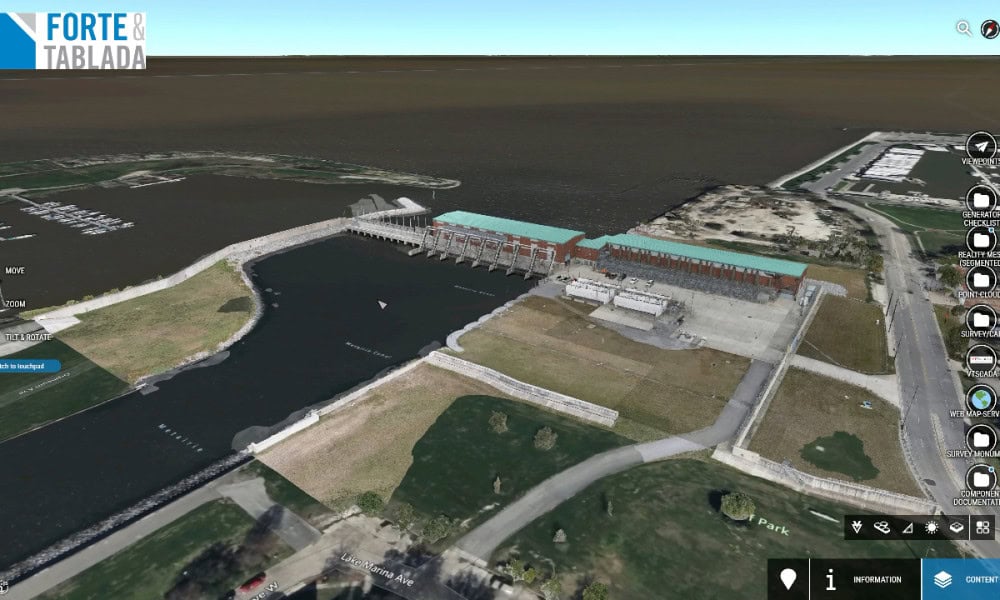
17th Street Canal Pump Station – Digital Twin
The 17th Street Canal Pump Station is a cornerstone of New Orleans’ critical flood protection system, requiring maximum operational readiness and resilience against increasing climate threats.
- Healthy Cities
- Climate Action
- Sustainability Stories
- DEC 08, 2023
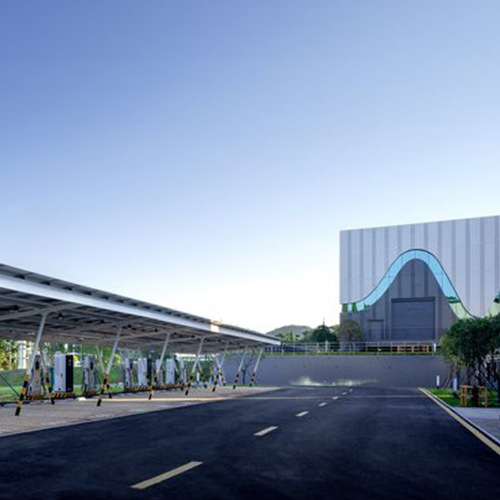
3D Digital Project of 220kv Substation in Baiguan Town, Zhuzhou City, Hunan
State Grid Tianjin Electric Power Survey, Design & Consulting to provide carbon-free solar energy to industrial parks in Baiguan Town
- Energy Transition
- Sustainability Stories
- DEC 08, 2023
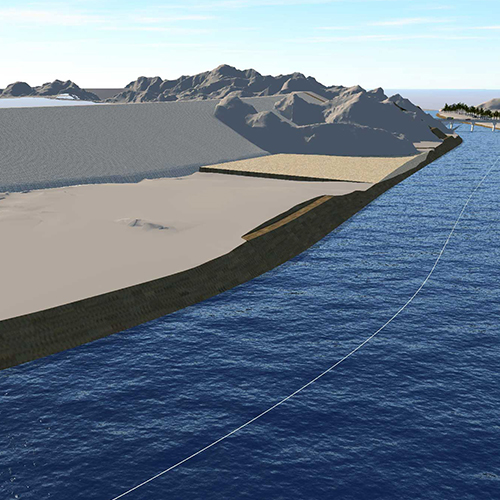
3D Modelling, Design & Construction of the Jufainah (B6) Dam Crossing a Regional Fault in Al Amerat, Muscat, Oman
ARQ and Partners Consulting Engineers ensuring flood protection with Jufainah (B6) Dam
- Climate Action
- Land & Water Resources
- Sustainability Stories
- DEC 08, 2023
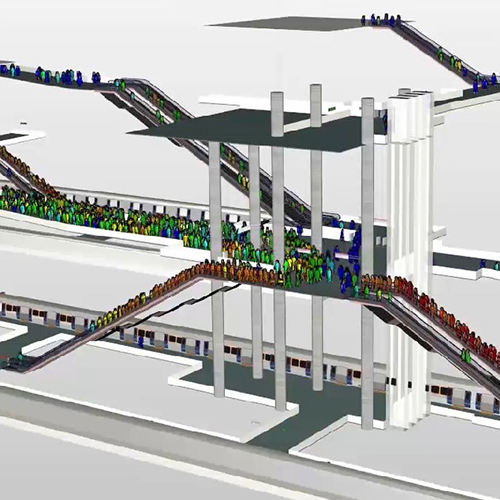
3D Passenger Simulation
Metro Istanbul 3D passenger simulation allows for future-proofing sustainable transportation
- Healthy Cities
- Sustainability Stories
- DEC 07, 2023
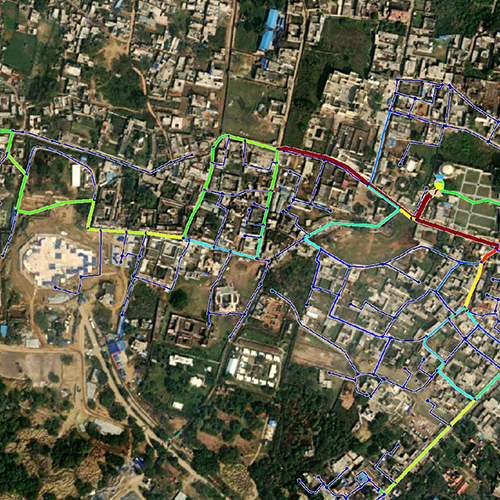
Achieving Drink from Tap 24×7 Water Supply System for Emerging Economies
Geoinfo Services improving water availability and quality for the city of Ayodhya
- Climate Action
- Land & Water Resources
- Sustainability Stories
- OCT 01, 2024
Advanced analysis and design of flood protection structures through automation
To address rising climate challenges and the critical need for flood protection, Arcadis automated the complex modeling of flood walls and gates, significantly enhancing efficiency and resilience in flood management.
- Healthy Cities
- Land & Water Resources
- Sustainability Stories
- OCT 01, 2021
Al Hammam "New Delta" Agricultural Drainage Water Treatment Plant
A World-class Water Treatment Plant for Sustainable Farming in the Desert
- Climate Action
- Sustainability Stories

- SEP 22, 2026
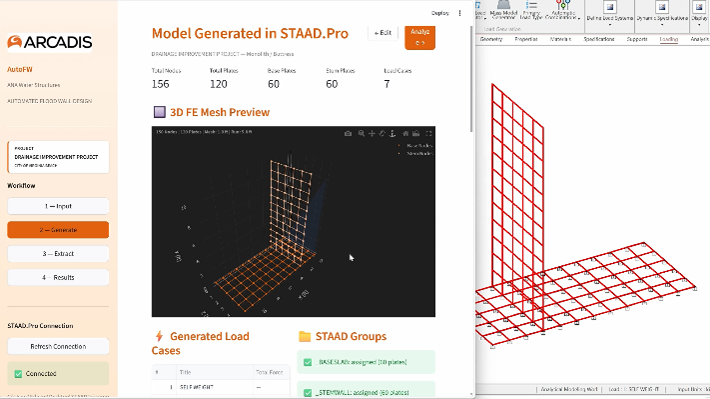
AutoFW Designer: Automated Design of Flood Protection Structures
UTILIZED SOFTWARE STAAD, SYNCHRO, OpenSTAAD Connect Edition, OpenSTAADPy COM Interface LOCATION USA ORGANIZATION/COMPANY Arcadis Along the shorelines of New York City and Virginia Beach, rising seas and storm surges have made flood protection an urgent engineering priority. Arcadis was tasked with delivering a 200 million USD portfolio of gates and floodwalls — more than 20 gates and 25 walls — but the traditional path was slow and unforgiving. Each structure demanded 16 to 24 hours of bespoke modeling and another 4 to 8 hours of manual report formatting, adding up to over 600 hours of modeling across three years. Under schedules that tight, there was little room to optimize designs or fully interrogate critical load combinations, and every unexamined assumption meant heavier structures and more carbon locked into concrete and steel. The team's answer was AutoFW Designer, a Python-based platform linked programmatically to STAAD.Pro through the OpenSTAADPy COM interface. It generates a full finite element model — 156 nodes, 120 plates, 60 base and 60 stem elements — in seconds, applies USACE load combinations, and runs twelve automated structural checks across five wall typologies covering every configuration in the Virginia Beach program. An integrated design optimizer then trims material where the code allows it, while SYNCHRO 4D visualizes construction sequencing so stakeholders can test phasing scenarios and resolve spatial-temporal conflicts before crews reach the street. The impact is measurable on both sides of the ledger. Design time fell by 99.4%, from a full day to under ten minutes, saving 400 engineering hours and 70,000 USD in fees. Concrete and steel volumes dropped 5%, avoiding 18 tonnes of embodied CO2 on this project alone, with 135 to 270 tonnes of annual savings projected at scale. Just as importantly, the barriers themselves shield coastal communities, land, and freshwater resources from surge and saltwater intrusion — resilience built with less carbon, delivered faster.
- Climate Action
- Land & Water Resources
- Sustainability Stories
- SEP 22, 2026
Barcelona Camp Nou Stadium
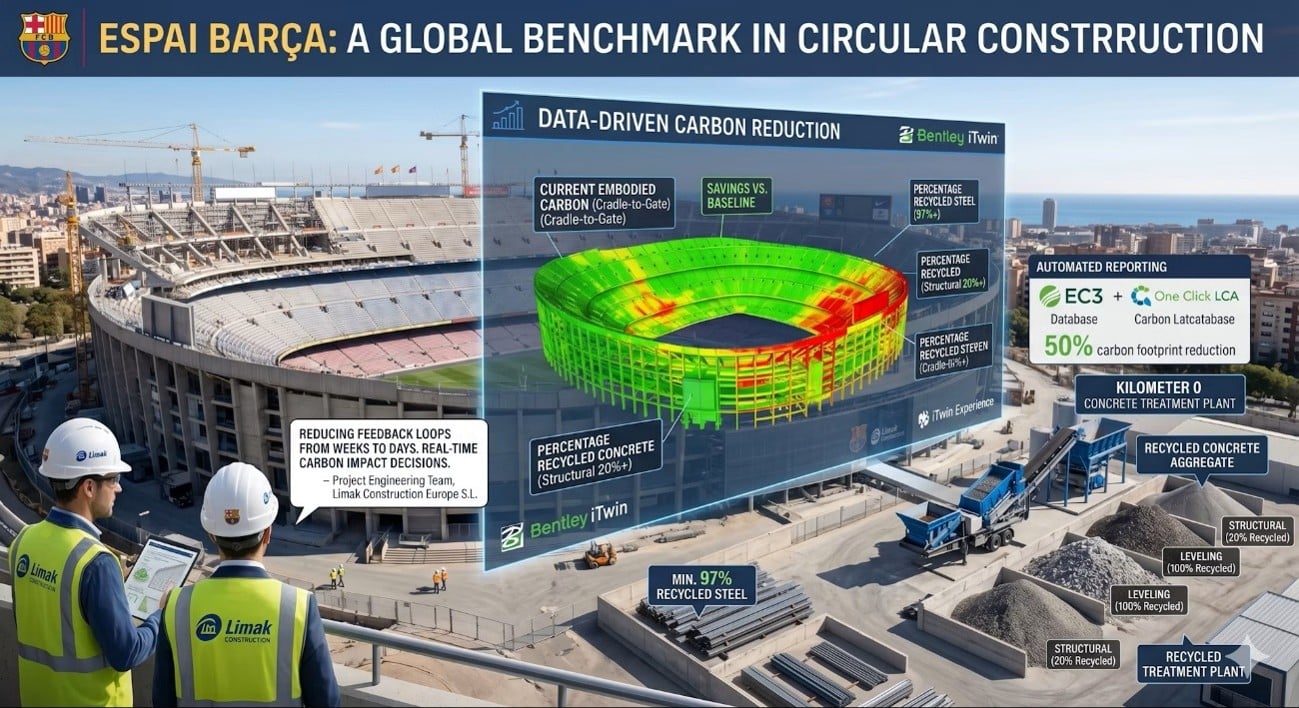
UTILIZED SOFTWARE MicroStation, ProjectWise, SYNCHRO 4D LOCATION Spain ORGANIZATION/COMPANY Limak Construction Europe S.L. Expanding Barcelona's Camp Nou to over 250,000 square meters and 105,000 seats — while the venue remained partially operational — pushed traditional 2D CAD workflows past their limits, leaving Limak Construction Europe with outdated drawings, coordination delays, and a high risk of design clashes across complex Tier 3 integrations. The team adopted an integrated Bentley platform — MicroStation, ProjectWise, and SYNCHRO 4D — and established a collaborative digital twin with iTwin, giving all stakeholders a single, real-time source of truth for model-based planning, early clash detection, and construction sequencing. SYNCHRO 4D unified thousands of elements into one visual sequence, improving site safety and optimizing material logistics and equipment transportation to cut fuel consumption. The shift from 2D to 3D workflows reduced design time by 15% to 20% and lowered total project costs by 10% to 15%, while on-site reuse of demolished concrete and steel reduced construction waste by 20% to 25%, easing pressure on local landfills and raw material extraction. The project — estimated at 950,000 EUR and targeted for completion by December 31, 2027 — is actively pursuing LEED and BREEAM certification, lowering operational emissions and carbon footprint while delivering a safe, accessible community asset that proves digital engineering as the foundation for sustainable, resilient infrastructure.
- Healthy Cities
- Climate Action
- Sustainability Stories